

The time period "Chalisa" refers to a devotional hymn or prayer consisting of forty verses. Chalis in Hindi means forty, and Chalisa is literally translated to "forty." The aim of a Chalisa is primarily devotional and non secular in nature. Here are read here related to the recitation or singing of Chalisas, together with the well-known instance of the Hanuman Chalisa:
Devotion and Worship: Chalisas are composed as a form of devotion and worship in the direction of a particular deity. They are intended to precise the devotee's love, faith, and reverence for the divine.
Connection with the Divine: Chalisas are believed to create a deep non secular connection between the devotee and the deity to whom the hymn is dedicated. The verses typically describe the virtues, qualities, and tales associated with the deity, fostering a way of closeness and communion.
Seeking Blessings: Devotees recite Chalisas with the goal of seeking the blessings and divine grace of the precise deity. These blessings may be sought for numerous purposes, including protection, steerage, well-being, and the removal of obstacles.
Spiritual Growth: The recitation of Chalisas is seen as a means of spiritual progress and personal transformation. By participating with the verses, devotees may mirror on the teachings embedded in the hymn and strive to incorporate those values into their lives.
Protection and Guidance: Chalisas, such because the Hanuman Chalisa, are sometimes associated with protection and steering. Devotees believe that regularly reciting the Chalisa can deliver a few sense of safety and course in their non secular journey and day by day lives.
Expressing Gratitude: Chalisas might embrace expressions of gratitude towards the deity for their divine qualities, interventions, or help in numerous mythological stories or historic contexts.
Cultural and Traditional Practices: Chalisas play a significant function within the cultural and spiritual traditions of Hinduism. They are recited during religious ceremonies, festivals, and different auspicious occasions, contributing to the overall cultural and non secular heritage.
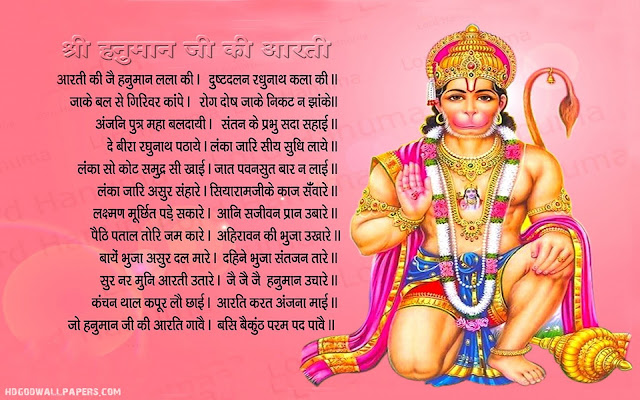
In summary, the purpose of a Chalisa is multifaceted, encompassing aspects of devotion, worship, looking for divine blessings, religious development, and cultural practices within the context of Hindu traditions. The specific goal could differ relying on the deity to whom the Chalisa is dedicated.